Why a Local Wedding Photographer Knows Your Venue Better Than Anyone
The Difference Between a Photographer and Someone Who Just Owns a Camera
Wedding photography has become one of those things where everyone with a decent camera thinks they can do it. And sure, a cousin with a mirrorless body can capture a few nice shots. But when you are planning a day that costs thousands and matters more than most events in your life, you want someone who knows how light moves through a particular space at a particular time of year. That is where a local wedding photographer earns their keep.
I have shot weddings in old barns, modern hotels, outdoor gardens, and historic churches. Each one behaves differently. The barn might have gorgeous golden light at 4 p.m. in October, but at noon in July it turns into a contrast nightmare. A downtown hotel ballroom with floor-to-ceiling windows sounds great until you realize the windows face north and you get flat light all afternoon. These are not things you learn from a manual. They come from experience, and the best experience is local experience.
When you hire someone who has worked in your area for years, they already know which way the sun sets at your venue in August. They know where the best backdrops are without needing to scout. They have dealt with the parking situation, the noisy HVAC unit that ruins audio during the ceremony, and the one corner of the garden that always floods after a rain. That knowledge saves time, reduces stress, and produces better photos.
What a Local Wedding Photographer Brings to the Table
There is a difference between a photographer who travels in for a wedding and one who lives in the same region as the couple. The traveler might have a great portfolio, but they are working blind on location details. A local wedding photographer has shot at the same venue multiple times. They know where the bridal suite is, how the light changes through the afternoon, and which spots give you the best background without distracting elements like trash cans or portable toilets.
I remember a wedding at a vineyard in late September. The couple had booked a photographer from three hours away. The photographer arrived late because of traffic, spent the first hour walking around trying to find good angles, and missed the golden hour entirely because they did not realize the sun dropped behind a hill earlier than expected. The couple was disappointed. They ended up hiring a local photographer for their anniversary shoot the following year, and the difference was obvious. The second set of photos had better light, more relaxed poses, and a natural feel that came from someone who knew the property intimately.
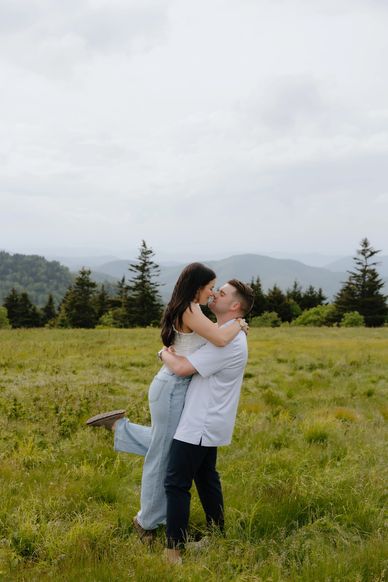
That kind of situational awareness is not something you can fake. It comes from repetition, from shooting the same venues across different seasons and weather conditions. A local photographer has that repetition built into their workflow.
Logistics and Timing
Wedding days run on tight schedules. You have the ceremony, family portraits, couple portraits, reception entrance, dinner, toasts, first dance, parent dances, cake cutting, and the list goes on. A photographer who knows the venue can plan the timeline with precision. They know that the bridal party photos take twenty minutes in the courtyard but forty minutes if you try to do them on the lawn because the light is harsher and people keep squinting. They know that the best time for couple portraits is right after the ceremony, before the sun gets too low, and they know exactly where to go to get those shots in the shortest possible time.
When a photographer is unfamiliar with the location, they spend time figuring out logistics that a local already has dialed in. That time comes out of your photography time. You end up with fewer shots or rushed poses. That is not what you want on a day you have been planning for months.
Local Network and Backup
Another advantage of hiring someone local is the network they bring. A local wedding photographer knows the best florists, caterers, planners, and rental companies in the area. They can recommend vendors who work well with their style. If something goes wrong on the day, like a memory card failure or a battery dying unexpectedly, a local photographer has a backup system in place. They can call a colleague to bring gear, or they have a second shooter who knows the area. That safety net is harder to build when you hire someone from out of town.
I have seen situations where a photographer's camera broke during the ceremony, and because they were local, their partner was able to drive over with a replacement within twenty minutes. That kind of response time matters when the ceremony is happening right then. You cannot pause a wedding.
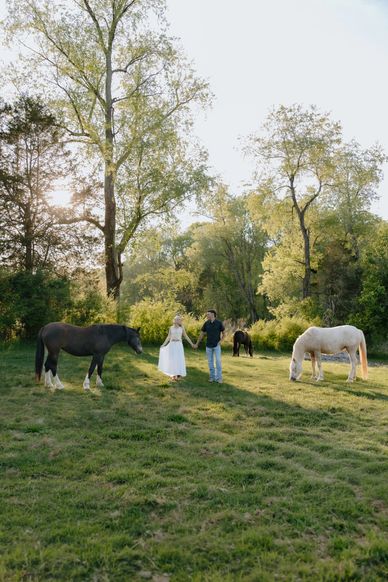
Practical Tips for Choosing a Local Wedding Photographer
If you are in the process of planning a wedding, here are a few things to look for when evaluating photographers in your area.
- Ask for full galleries from specific venues. A portfolio shows the best shots from many weddings. A full gallery shows how the photographer handles the whole day, including the challenging moments and the less photogenic parts of the venue.
- Check how long they have been shooting in your region. Five years of local experience means they have shot through multiple seasons and weather conditions. That depth of experience translates to better problem solving on your day.
- Meet in person or via video call. Personality matters. You will spend more time with your photographer on your wedding day than with any other vendor except your spouse. Make sure you get along and communicate well.
- Look at their response to weather issues. Ask how they handle rain on an outdoor ceremony. A local photographer should have a plan because they have dealt with it before. An out-of-towner might just say they will figure it out, which is not comforting.
These checks help you separate someone who has built real local knowledge from someone who simply owns nice gear and markets well.
The Value of Someone Who Knows the Light
Light is the raw material of photography. It changes with latitude, altitude, season, and local geography. A photographer who works in the same area day after day develops an intuitive understanding of that light. They know that in the Tri-Cities region, the summer sun rises early and sets late, giving you long golden hours but also harsh midday shadows if you are not careful. They know that spring brings unpredictable clouds that can either soften the light beautifully or kill it entirely. They know that autumn offers the best overall conditions, with warm tones and a low sun angle that flatters almost everyone.
That kind of knowledge does not come from a workshop or a YouTube tutorial. It comes from being there, from shooting hundreds of weddings in the same general area, and from learning the patterns that predict good light. When you hire a local wedding photographer, you are paying for that accumulated wisdom as much as for their technical skill with a camera.
There is also the matter of comfort. A photographer who has shot at your venue before can give you advice on timing. They might suggest doing the first look an hour earlier to catch better light. They might recommend a specific spot for the ceremony that avoids a cluttered background. That advice comes from experience, not guesswork.
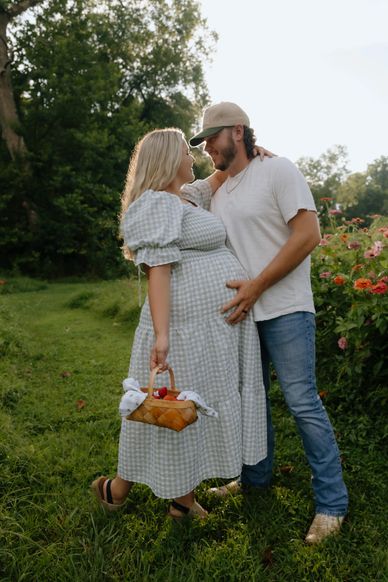
Connect with us on Pinterest.
Final Thoughts
Wedding photography is an investment in memory. The photos are what you keep after the flowers wilt and the cake is eaten. Choosing the right photographer matters, and local knowledge is a huge part of that equation. A photographer who knows the area, the venues, the vendors, and the light will produce images that feel natural and connected to the place where your wedding happened. That connection is hard to replicate with someone who shows up for the first time on your wedding day.
Captures by Chloe Kingsport Photographer, based at 5613 Carters Vly Rd, Church Hill, TN 37642, USA, can be reached at +1 423-302-0594 for those in the Tri-Cities area looking for portrait and event photography services including weddings, family portraits, and real estate photography.